
Understanding Robotic Knee Replacement: Myths and Realities Unveiled

Knee pain and mobility issues affect millions of people worldwide. For many, knee replacement surgery offers a path to relief and improved quality of life. In recent years, robotic knee replacement has gained attention as a modern alternative to traditional surgery. But what exactly is robotic knee replacement? What can it do, and what should patients realistically expect? This article explores the facts and dispels common misconceptions about robotic knee replacement to help you make informed decisions.
What Is Robotic Knee Replacement?
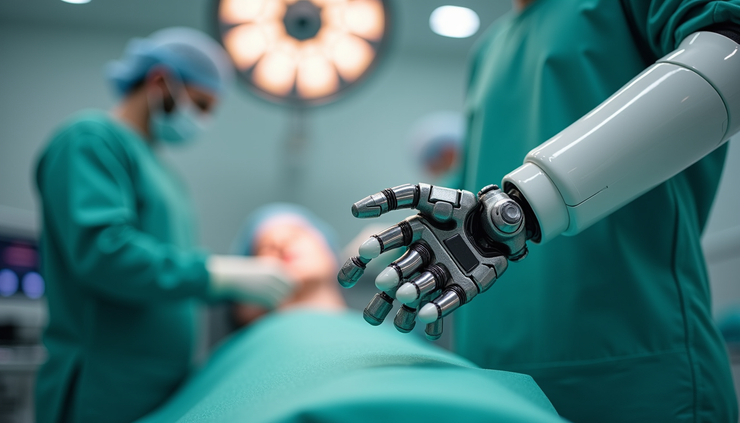
Robotic knee replacement is a surgical procedure where a robotic system assists the surgeon in performing knee joint replacement. The goal is to replace damaged or worn-out parts of the knee with artificial components to restore function and reduce pain.
The robotic system provides detailed 3D imaging and precise control during surgery. It helps the surgeon plan the operation based on the patient’s unique anatomy and guides the cutting and placement of implants with high accuracy. The surgeon remains in full control throughout the procedure, using the robot as a tool rather than a replacement.
Key Features of Robotic Knee Replacement
Preoperative Planning: Advanced imaging like CT scans creates a 3D model of the knee.
Precision Cutting: The robot assists in making bone cuts with sub-millimeter accuracy.
Customized Implant Placement: Implants are positioned to fit the patient’s anatomy closely.
Real-Time Feedback: The system provides data on alignment, ligament tension, and balance during surgery.
These features aim to improve surgical outcomes by reducing errors and improving implant fit.
What Robotic Knee Replacement Is Not
Despite its name, robotic knee replacement is not a fully automated surgery. The robot does not perform the operation independently or replace the surgeon’s expertise. Instead, it acts as an advanced tool that enhances the surgeon’s ability to operate precisely.
It is also not a guaranteed solution for everyone with knee problems. Robotic surgery may not be suitable for all patients, especially those with severe deformities or other health issues. The technology does not eliminate the risks associated with surgery, such as infection or blood clots.
How Robotic Knee Replacement Differs from Traditional Surgery
Traditional knee replacement surgery relies on the surgeon’s skill and experience to manually cut bone and position implants. While this method has been successful for decades, it depends heavily on the surgeon’s judgment and can vary between cases.
Robotic surgery adds a layer of technology that supports the surgeon by:
Providing a detailed 3D map of the knee before and during surgery.
Allowing for more precise bone cuts and implant positioning.
Offering real-time data to adjust implant placement for better joint balance.
This can lead to more consistent results and potentially faster recovery.
Benefits of Robotic Knee Replacement
Patients often ask about the advantages of robotic knee replacement. Research and clinical experience suggest several potential benefits:
Improved Accuracy: The robot helps achieve better alignment and fit of implants, which can improve joint function.
Less Bone Removal: Precision cutting preserves more healthy bone.
Reduced Pain and Swelling: Some studies report less tissue trauma during surgery.
Faster Recovery: Enhanced precision may potentially lead to quicker rehabilitation.
Longer Implant Life: Better alignment can reduce wear and extend implant durability.
It is important to note that outcomes depend on many factors, including the surgeon’s skill, patient health, and rehabilitation.
Common Myths About Robotic Knee Replacement
Myth 1: The Robot Does All the Work
The robot assists but does not replace the surgeon. The surgeon controls the procedure, makes decisions, and performs the surgery with robotic guidance.
Myth 2: Robotic Surgery Is Risk-Free
All surgeries carry risks. Robotic assistance may reduce some risks but cannot eliminate complications like infection or blood clots.
Myth 3: Robotic Knee Replacement Is Suitable for Everyone
Not all patients qualify for robotic surgery. Factors like bone quality, deformity, and overall health influence candidacy.
Myth 4: Recovery Is Instant
Robotic surgery may speed recovery, but patients still need physical therapy and time to heal.
Myth 5: Robotic Surgery is Better
Prelminary data demonstrates that anatomic alignment may be more reproducible with robotic guidance. This has not translated into improved outcomes at 2 years and 5 years. Implant longevity may be a long term benefit as a result of improved alignment. This remains to be seen.
What to Expect During Robotic Knee Replacement Surgery
The process typically involves several steps:
Preoperative Imaging: CT scans or MRIs create a 3D model of the knee.
Surgical Planning: The surgeon uses software to plan bone cuts and implant placement.
Surgery: Under anesthesia, the surgeon exposes the knee joint.
Robotic Assistance: The robot guides bone cuts and implant positioning based on the plan.
Verification: The surgeon checks alignment and joint balance.
Closure: The incision is closed, and recovery begins.
The entire procedure usually takes about 1 to 2 hours.
Who Should Consider Robotic Knee Replacement?
Robotic knee replacement may be a good option for patients who:
Have moderate to severe knee arthritis.
Are physically healthy enough for surgery.
Want a potentially more precise implant placement.
Are interested in the latest surgical technology.
Patients with severe deformities, infections, or other health issues may need alternative treatments.
Questions to Ask Your Surgeon
Before deciding on robotic knee replacement, consider asking:
Am I a good candidate for robotic knee replacement?
What experience do you have with robotic surgery?
How does robotic surgery compare to traditional methods in my case?
What are the risks and benefits specific to me?
What should I expect during recovery?
Clear communication helps set realistic expectations.
The Future of Robotic Knee Replacement
Robotic technology continues to evolve. Future developments may include:
More advanced imaging and planning tools.
Enhanced robotic precision and feedback.
Integration with artificial intelligence for improved decision-making.
Minimally invasive techniques combined with robotics.
These advances aim to improve patient outcomes and surgical safety.
Comments