
Stop the Slip: Understanding and Treating Shoulder Instability

You're reaching up to grab something off a shelf. Nothing crazy. And then it happens: that unsettling feeling like your shoulder is about to pop right out of its socket. Maybe it actually does. Maybe it's just that sickening sensation of something slipping where it shouldn't.
If this sounds familiar, you're dealing with shoulder instability. And you're definitely not alone.
Whether you're a weekend athlete, a competitive swimmer, or someone who took a hard fall years ago that never quite healed right, shoulder instability can turn everyday movements into anxiety-inducing events. The good news? We understand exactly what's happening in there, and there are real solutions: both surgical and non-surgical: that can get you back to trusting your shoulder again.
What Exactly Is Shoulder Instability?
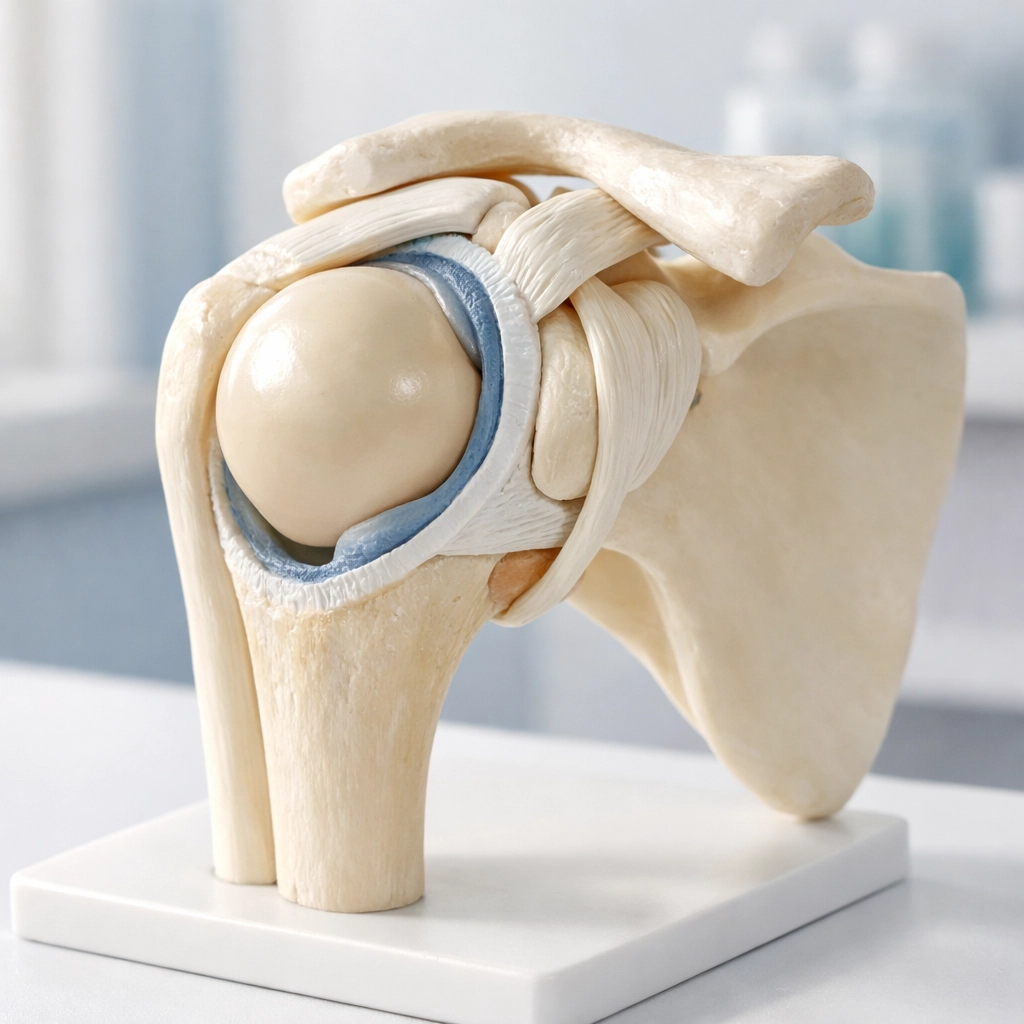
Your shoulder joint is designed for incredible range of motion. It's basically a golf ball sitting on a tee: which gives you the ability to throw, reach, and rotate in ways no other joint can match. But that freedom comes with a tradeoff: stability.
Shoulder instability occurs when the structures that hold your shoulder in place: ligaments, the labrum (a ring of cartilage), and the joint capsule: become damaged or stretched out. The result? Your shoulder becomes prone to dislocations (where the ball completely pops out of the socket) or subluxations (partial slips that pop back in on their own).
Once it happens once, the risk of it happening again goes up significantly. That's because each episode can cause more damage to the supporting structures, creating a frustrating cycle.
The Three Main Causes
Shoulder instability doesn't just happen randomly. It typically develops through one of three pathways:
Traumatic Injury
This is the most common culprit. A hard hit during a football game, a fall off a bike, or catching yourself awkwardly: any sudden force that wrenches your shoulder out of position can tear or stretch the ligaments that keep everything in place.
Here's the thing: even after the initial dislocation heals, those ligaments may never be as tight as they once were. For younger, active patients especially, that first dislocation often leads to more down the road.
Repetitive Strain
Athletes who perform overhead motions: think baseball pitchers, swimmers, tennis players, and volleyball players: put enormous stress on their shoulders over time. This repetitive strain gradually loosens the joint capsule and weakens the structures that provide stability.
If you're involved in sports medicine in Milwaukee or anywhere else, you've probably seen this pattern: an athlete whose shoulder slowly becomes "loose" without any single traumatic event to point to.
Genetic Factors
Some people are just born with naturally looser ligaments throughout their body. This is called hyperlaxity, and while it might make you great at yoga, it also means your shoulder doesn't have the same built-in tightness that others enjoy.
If you can hyperextend your elbows, touch your thumb to your forearm, or have always been "double-jointed," you may fall into this category.
Signs Your Shoulder Is Unstable
Not sure if what you're experiencing qualifies as instability? Here are the most common symptoms:
A loose or slipping sensation: like your arm bone is sliding around in the socket
Sharp or aching pain during certain movements or positions
Weakness in your shoulder and arm, especially during activity
Clicking, popping, or grinding sounds in the joint
Repeated dislocations that happen more and more easily over time
"Dead arm" feeling: particularly common in throwing athletes who suddenly can't generate power
If any of these sound familiar, it's worth getting evaluated sooner rather than later. Untreated instability tends to get worse, not better.

Types of Shoulder Instability
Not all instability is created equal. Understanding which type you have helps determine the best treatment approach.
Anterior Instability
This is by far the most common, accounting for about 95% of traumatic shoulder dislocations. The shoulder slips forward and out of the socket, often causing damage to the labrum (called a Bankart lesion) and sometimes creating a dent in the bone itself (a Hill-Sachs defect).
If you've dislocated your shoulder reaching forward or during contact, anterior instability is the likely diagnosis.
Multidirectional Instability
This occurs when the shoulder is loose in multiple directions: front, back, and downward. It's more common in people with generalized ligament laxity or those who've performed extreme overhead motions repeatedly.
Multidirectional instability can be trickier to treat because the problem isn't limited to one area.
Non-Surgical Treatment Options
Surgery isn't always the first step. For many patients: especially those with mild instability or first-time dislocations: conservative treatment can be highly effective.
Physical therapy is the cornerstone here. A structured rehab program focuses on:
Strengthening the rotator cuff muscles that dynamically stabilize the joint
Improving scapular (shoulder blade) control and positioning
Building proprioception: your body's awareness of where your shoulder is in space
Gradually returning to sport-specific or daily activities
Activity modification may also be necessary, at least temporarily. This means avoiding positions or movements that put your shoulder at risk while you rebuild strength and stability.
Anti-inflammatory medications can help manage pain during the recovery process, and bracing may be used in certain situations to limit risky movements.
For many patients, especially older adults or those with lower physical demands, this approach works well. But for younger, active individuals: particularly athletes: the recurrence rate after non-surgical treatment can be frustratingly high.

When Surgery Makes Sense
Here's the truth: if you're young, active, and have experienced multiple dislocations, surgery is often the most reliable path back to a stable, trustworthy shoulder.
The goal of surgery is to repair or tighten the damaged structures so your shoulder stays where it belongs. The specific procedure depends on what's causing your instability.
Arthroscopic Bankart Repair
This is the most common surgical approach for anterior instability. Using small incisions and a camera, the surgeon reattaches the torn labrum to the socket and tightens the stretched ligaments.
Recovery typically involves wearing a sling for several weeks, followed by a progressive physical therapy program. Most patients return to full activity within 4-6 months.
Latarjet Procedure
For patients with significant bone loss (either from the socket or the ball), a Bankart repair alone may not be enough. The Latarjet procedure transfers a small piece of bone from nearby to rebuild the socket's edge, providing both structural support and additional stability from the transferred muscle.
This is a more involved surgery, but for the right patient, it offers excellent long-term results.
Capsular Shift
For multidirectional instability without significant structural damage, a capsular shift tightens the loose joint capsule itself. This can be done arthroscopically or through an open incision, depending on the severity.
Don't Wait Until It Gets Worse
One of the biggest mistakes we see? Patients who "learn to live with it" and avoid seeking treatment until their shoulder is significantly damaged.
Each dislocation causes more wear and tear. Over time, this can lead to arthritis, chronic pain, and limitations that could have been prevented with earlier intervention.
If your shoulder feels unstable: whether it's actually dislocating or just feels like it might: get it evaluated. An examination and imaging can tell us exactly what's going on and help us map out the best path forward.
Ready to stop the slip?Schedule an appointment with our team to discuss your options. Whether you need physical therapy, surgery, or just peace of mind, we're here to help you get back to the activities you love( without worrying about your shoulder giving out.)

Comments