
The Future of Your Knees: Why Robotic-Assisted Surgery is a Game Changer

If you've been dealing with chronic knee pain, you've probably done the research. You've tried the injections, the physical therapy, maybe even adjusted your lifestyle in ways you never expected. And yet, here you are: still searching for answers, still wondering if knee replacement surgery is the next step.
Here's the thing: knee replacement surgery has come a long way. We're not talking about the same procedure your parents or grandparents might have had. Today, robotic-assisted knee replacement is changing the game for patients who want better precision, faster recovery, and outcomes that actually last.
So if you've been typing "robotic knee replacement near me" into your search bar, you're already on the right track. Let's talk about what this technology actually means for you: and why it might be the solution you've been looking for.
What Exactly Is Robotic-Assisted Knee Replacement?
First, let's clear up a common misconception. When we say "robotic surgery," we're not talking about a robot performing your operation while the surgeon grabs a coffee. Not even close.
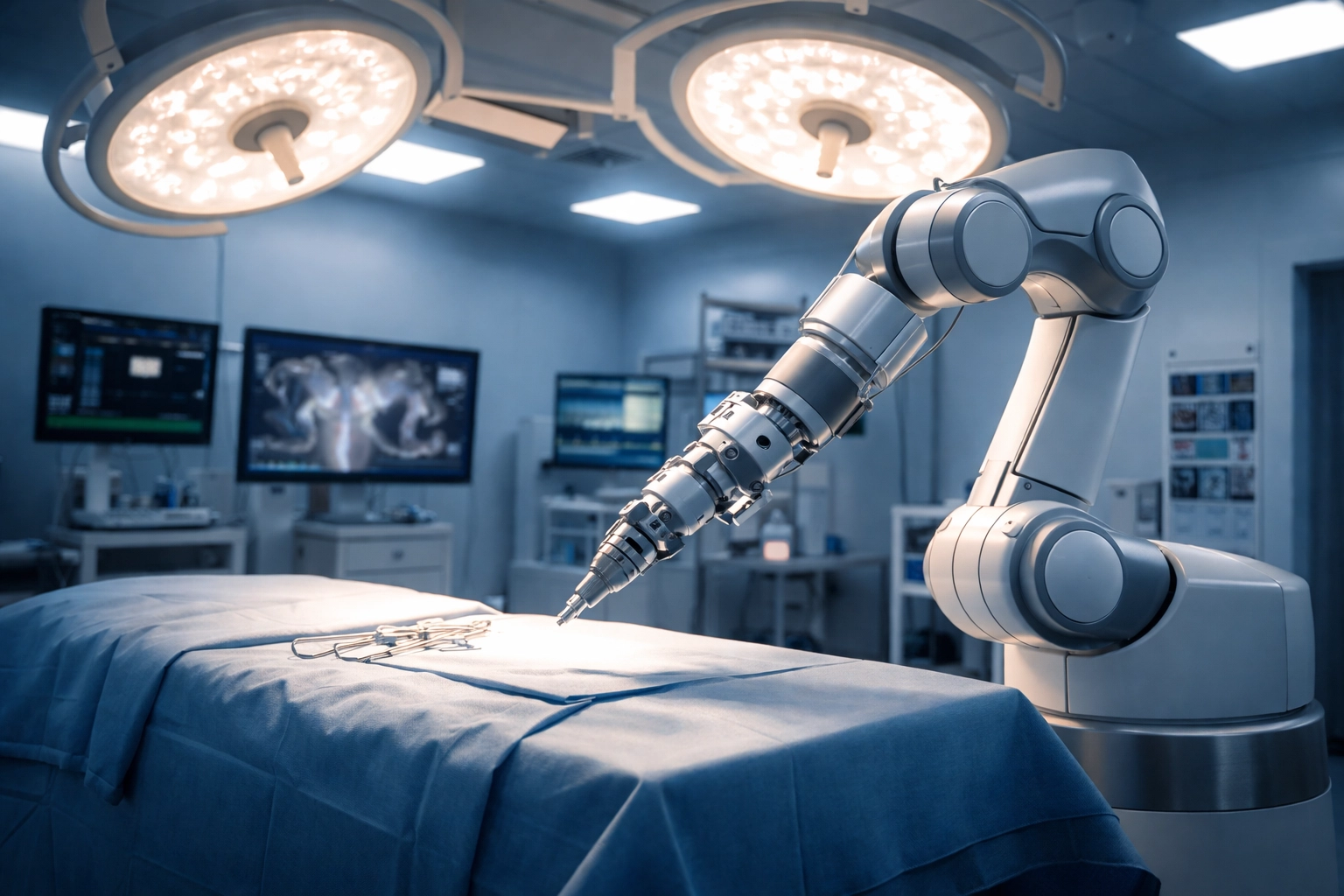
Robotic-assisted surgery means your surgeon uses advanced robotic technology as a highly sophisticated tool. Think of it like GPS navigation for your knee. The system creates a detailed 3D model of your joint before surgery even begins, allowing your surgeon to plan every cut with incredible accuracy.
During the procedure, the robotic arm assists your surgeon in executing that plan with a level of precision that human hands alone simply can't achieve. Your surgeon is in control the entire time: the technology just makes their expertise even more effective.
The Precision That Makes All the Difference
Here's where things get interesting.
Traditional knee replacement surgery relies heavily on manual measurements and the surgeon's experience. And while skilled surgeons absolutely deliver great results, there's always some degree of variability. Studies show that radiographic outliers: essentially, misalignments in implant placement: occur in about 76% of conventional procedures.
With robotic-assisted surgery? That number drops to just 16%.
Why does this matter to you? Because implant alignment directly affects how your new knee functions and how long it lasts. When your implant is positioned correctly, loads distribute evenly across the joint. That means less wear, fewer complications, and a knee that feels more natural when you're walking, climbing stairs, or getting back to the activities you love.
Robotic systems can achieve bone cuts within 1 degree of the planned alignment in most cases. That's not just impressive: it's the kind of precision that translates into real-world benefits you'll feel every single day.
Faster Recovery: Getting You Back on Your Feet
Let's be honest. The idea of knee surgery is intimidating. Recovery time, pain management, the fear of being sidelined for months: these concerns are completely valid.
But here's the truth: robotic-assisted surgery typically means less trauma to your body.
Because the robotic system allows for such precise movements, there's less damage to the surrounding muscles, ligaments, and soft tissues. And less trauma means:
Reduced postoperative pain compared to traditional methods
Lower reliance on opioid medications (some patients are opioid-free by six weeks)
Shorter hospital stays with higher rates of same-day or next-day discharge
Faster return to independence and daily activities
Many patients are up and walking with assistance the same day or the day after surgery. We're not promising you'll be running marathons next month, but the path back to normal life is often significantly shorter than what you might expect.

Your Knee, Your Anatomy: The Custom-Fit Advantage
No two knees are exactly alike. Your bone structure, your joint mechanics, the way you move: it's all unique to you. And that's exactly why robotic-assisted surgery offers such a compelling advantage.
Before your procedure, the robotic system creates a comprehensive 3D map of your specific anatomy. This isn't a one-size-fits-all approach. Your surgeon can plan an implant position that's tailored precisely to your body, taking into account factors that traditional surgery might miss.
This custom alignment means:
Better joint stability
More natural-feeling movement
Reduced risk of the implant loosening over time
Potentially longer implant lifespan
When your knee replacement is designed around your anatomy rather than a generic template, the results simply feel different. Patients often report that their new knee moves more naturally: closer to what their original healthy knee felt like.
What About the Surgery Itself?
You might be wondering: if this technology is so advanced, does that make the surgery more complicated or take longer?
Here's what the research shows. Robotic-assisted procedures do take slightly longer on average: about 88 minutes compared to 79 minutes for conventional surgery. That's roughly nine extra minutes on the operating table.
But consider what you're getting for that time: more precise cuts, better implant positioning, and reduced soft tissue damage. The trade-off is absolutely worth it when you factor in the improved outcomes and faster recovery on the other side.
And despite the advanced technology involved, studies show that robotic-assisted surgery doesn't increase complication rates. In fact, it often supports better overall results and higher patient satisfaction.

Is Robotic Knee Replacement Right for You?
Not everyone with knee pain needs surgery. And not every surgical candidate is the same. The best approach depends on your specific condition, your health history, and your goals.
If you're dealing with severe knee arthritis that hasn't responded to conservative treatments, robotic-assisted knee replacement might be worth exploring. It's particularly valuable for patients who:
Want the most precise surgical outcome possible
Are concerned about recovery time and pain management
Have anatomy that makes traditional surgery more challenging
Want an implant designed specifically for their joint
The first step is always a thorough evaluation. If you've been making common knee arthritis mistakes or delaying treatment because you're unsure about surgery, it's worth having an honest conversation about your options.
The Bottom Line
Robotic-assisted knee replacement isn't just a buzzword: it's a genuine advancement in orthopedic care that's delivering better outcomes for patients every day. The combination of surgical precision, reduced tissue trauma, and custom-fit implant positioning creates an experience that's fundamentally different from traditional knee replacement.
Does it guarantee perfection? No surgery can promise that. But it does stack the odds in your favor in ways that weren't possible even a decade ago.
If you've been searching for "robotic knee replacement near me," you're clearly motivated to find the best possible solution for your knee pain. That's a great sign. It means you're taking your health seriously and doing your homework.
The next step? Schedule a consultation to discuss whether robotic-assisted surgery is the right fit for your situation. We'll evaluate your knee, talk through your options, and help you make an informed decision about your path forward.
Your knees have carried you this far. Let's make sure they can carry you into the future: comfortably, confidently, and without the pain that's been holding you back.

Comments