
Meniscus Tears: When to Rest and When to Consider Surgery

You felt it. That pop. Maybe you were pivoting during a basketball game, twisting to grab something from the back seat, or just squatting down to pick up your kid's toys. Now your knee is swollen, stiff, and angry.
If you're dealing with a meniscus tear, you're probably asking yourself one big question: Do I need surgery, or can I just rest this thing?
Here's the truth, it depends. Not every meniscus tear requires an operation, but some absolutely do. The trick is knowing which category yours falls into. Let's break it down so you can have an informed conversation with your orthopedic surgeon and make the best decision for your knee.
What Exactly Is the Meniscus (And Why Should You Care)?
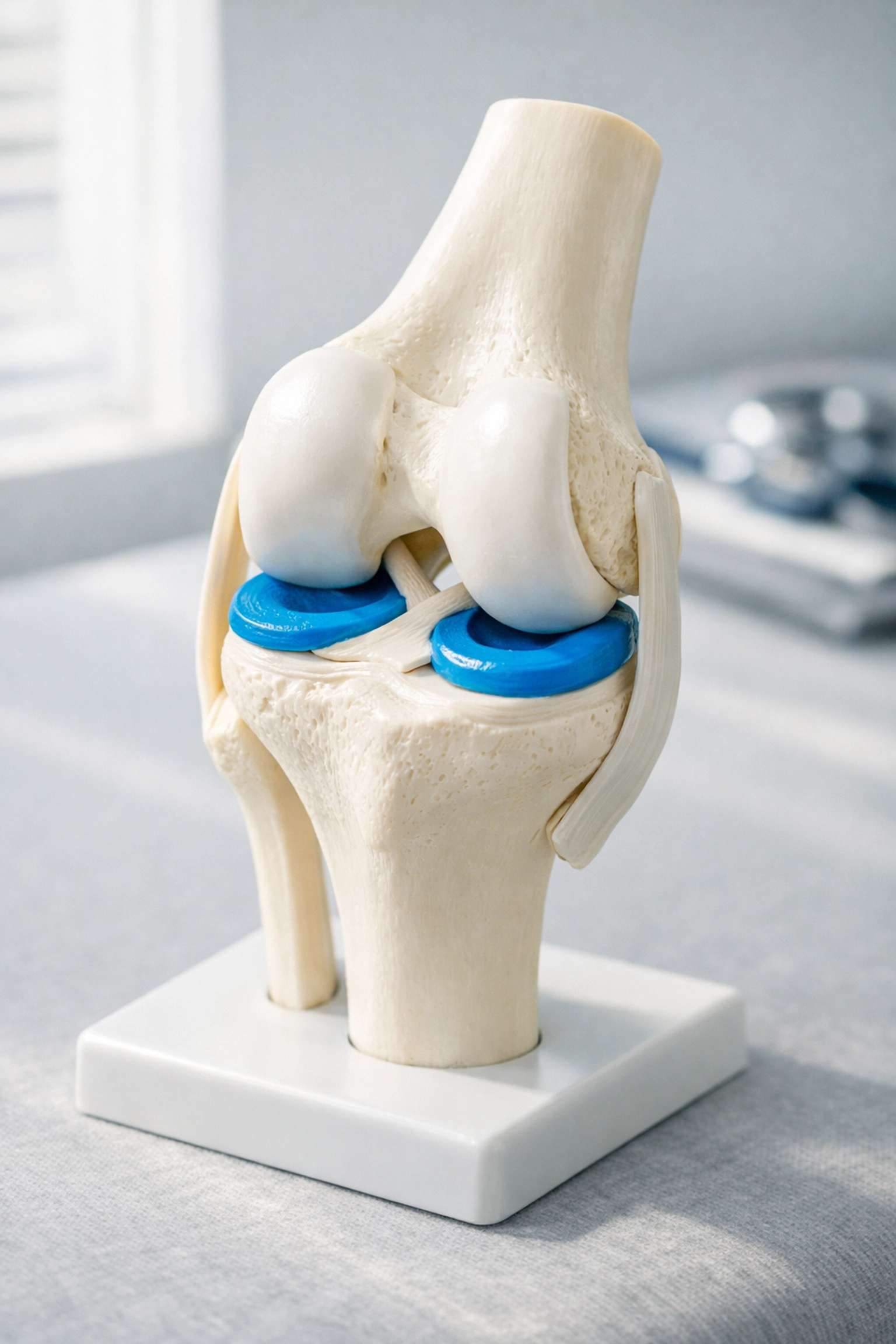
Your knee has two menisci, C-shaped pieces of cartilage that sit between your thighbone and shinbone. Think of them as shock absorbers and stabilizers rolled into one. They distribute your body weight across the knee joint, cushion impact, and help everything glide smoothly.
When you tear one of these, you lose some of that protection. And here's the kicker: the meniscus doesn't have great blood supply throughout. The outer third (called the "red zone") gets decent blood flow, which means tears there can sometimes heal. The inner two-thirds (the "white zone")? Not so much. This blood supply issue plays a huge role in whether rest will work or whether you'll need surgical intervention.
How Do You Know If Your Meniscus Is Torn?
Most people describe a combination of these symptoms:
Pain along the joint line (the side of your knee)
Swelling that develops within 24 hours
Stiffness and difficulty fully bending or straightening the knee
A catching or locking sensation, like something's stuck
The knee giving way or feeling unstable
Sound familiar? These symptoms can overlap with other knee issues like ACL tears or early arthritis, which is why getting an accurate diagnosis, usually through an MRI, is so important.
When Rest and Conservative Treatment Actually Work
Not every meniscus tear needs the operating room. In fact, many small, stable tears can heal within 6 to 8 weeks with the right approach.
Conservative treatment tends to work best when:
The tear is small and stable
It's located in the outer "red zone" with better blood supply
You're not experiencing mechanical symptoms like locking or catching
Your knee isn't giving out on you
What does conservative treatment look like?
RICE protocol: Rest, ice, compression, and elevation, especially in the first few days
Physical therapy: Strengthening the muscles around your knee to compensate and restore function
Anti-inflammatory medications: Over-the-counter options like ibuprofen can help manage pain and swelling
Injections: Corticosteroid or biologic injections (like PRP) may reduce inflammation and buy you time
The goal here is to calm things down, rebuild strength, and see if your body can handle the tear without surgical help. For some people, especially those with degenerative tears from normal wear and tear, this approach gets them back to their life without ever seeing the inside of an OR.

When Surgery Becomes the Right Call
So when does rest stop being the answer?
Surgery becomes the best option when:
The tear is large or unstable
You have mechanical symptoms (locking, catching, knee giving way)
Conservative treatment hasn't worked after 4 to 6 weeks of honest effort
The tear is in the inner "white zone" where healing is unlikely
You're an active individual who needs reliable knee function for sports or work
If your knee keeps swelling up, locks up randomly, or you can't trust it to hold you during normal activities, that's your body telling you something isn't healing on its own. At that point, continuing to "rest and wait" may actually do more harm than good.
For those searching for meniscus tear surgery Milwaukee options, the good news is that arthroscopic knee surgery has come a long way. It's minimally invasive, recovery is manageable, and outcomes are generally excellent when performed by an experienced surgeon.
Repair vs. Debridement: Understanding Your Surgical Options
Here's where things get interesting. If surgery is on the table, you'll likely hear two main terms: meniscus repair and partial meniscectomy (also called debridement). They're very different procedures with different goals and recovery timelines.
Meniscus Repair: Saving the Tissue
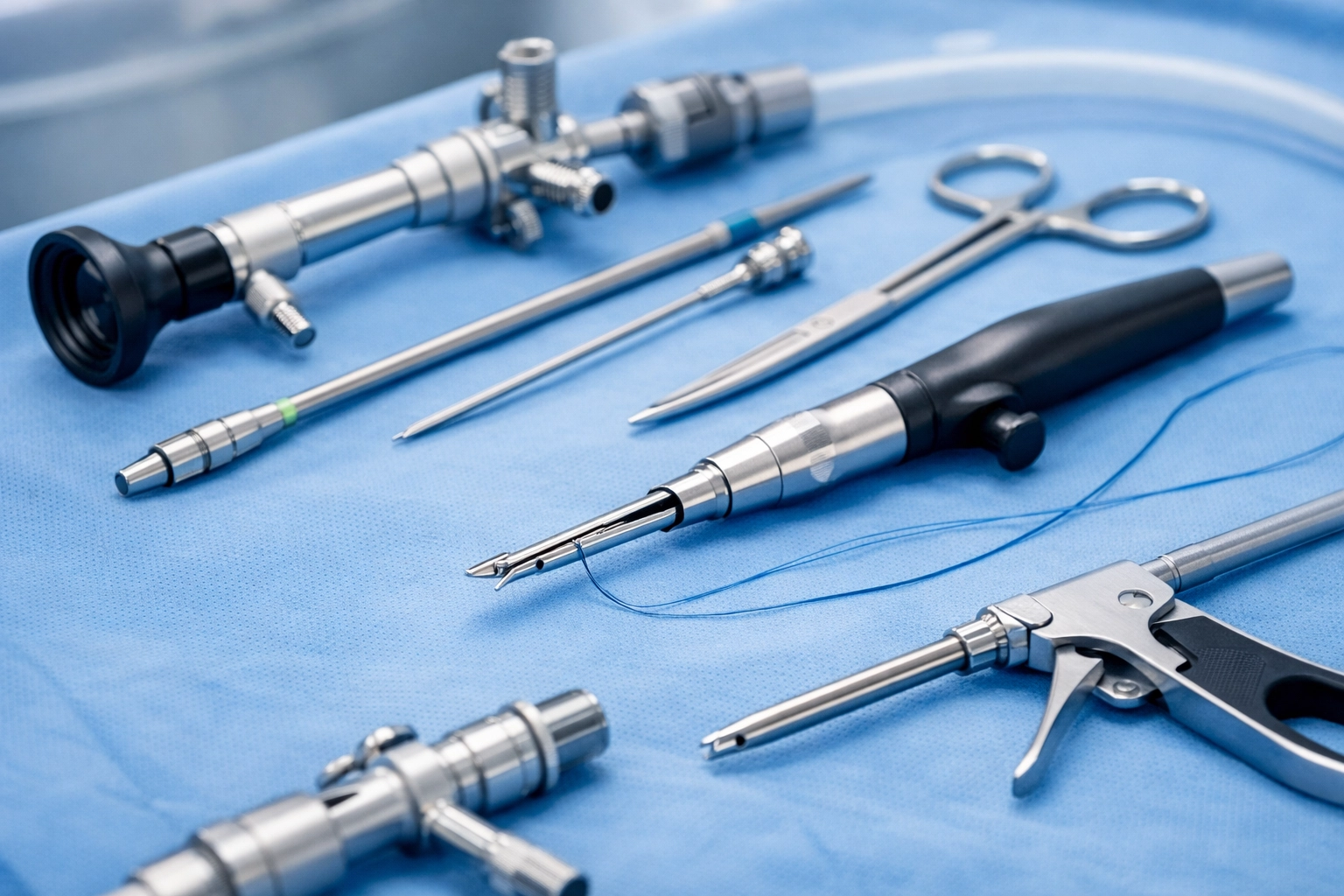
Meniscus repair involves stitching the torn edges back together so the tissue can heal naturally. This is the gold standard when it's possible because you're preserving your natural shock absorber.
Repair works best when:
The tear is in the outer "red zone" with blood supply
You're younger and active
The tear pattern allows for successful stitching
The tradeoff? Recovery takes longer, typically 3 to 6 months, because the tissue needs time to heal. You'll have restrictions on weight-bearing and movement early on. But the payoff is significant: success rates exceed 80%, and you're protecting your knee from future arthritis by keeping the meniscus intact.
Partial Meniscectomy (Debridement): Removing the Damage
Partial meniscectomy means trimming out the damaged portion of the meniscus while preserving as much healthy tissue as possible. It's more common for tears that can't be repaired, typically those in the "white zone" or degenerative tears in older patients.
The upside? Recovery is much faster. Most people are back to normal activities within 4 to 6 weeks.
The downside? Removing meniscus tissue, even a small amount, increases your risk of developing knee arthritis down the road. Less cushion means more stress on the cartilage covering your bones.
This is why modern orthopedic philosophy emphasizes "save the meniscus" whenever possible. We'd rather repair than remove. But sometimes removal is the only realistic option, and in those cases, getting the damaged tissue out allows you to move forward without pain and mechanical symptoms.
Meniscus Transplant: A Third Option
In rare cases, usually younger patients who've had significant meniscus tissue removed previously and are developing problems, a meniscus transplant using donor tissue may be considered. This isn't common, but it's worth knowing it exists if you're facing more complex knee issues.
What Recovery Actually Looks Like
Recovery depends entirely on which procedure you have.
After a partial meniscectomy:
Weight-bearing is usually allowed right away
Physical therapy starts quickly
Return to sports in 4 to 6 weeks for most people
After a meniscus repair:
You may be on crutches and limited weight-bearing for several weeks
Physical therapy is more gradual and structured
Full return to activity takes 3 to 6 months
Either way, physical therapy is non-negotiable. Your knee needs to rebuild strength, stability, and range of motion. Skipping PT or cutting it short is one of the fastest ways to end up with a disappointing outcome.

Making the Decision: Questions to Ask Yourself
Still not sure which path is right for you? Consider these questions:
How much is my knee affecting my daily life? If you're constantly limited, surgery may offer faster relief.
Have I truly given conservative treatment a fair shot? Sometimes 2 weeks of "rest" isn't enough.
What are my activity goals? A weekend warrior has different needs than someone who just wants to walk comfortably.
Where is the tear, and what type is it? This determines whether repair is even an option.
The best answers come from a thorough evaluation: physical exam, imaging, and an honest conversation about your goals.
The Bottom Line
Meniscus tears aren't one-size-fits-all. Some heal beautifully with rest, ice, and physical therapy. Others need surgical intervention to get you back to living without pain and instability.
The key is understanding your specific tear, your body's healing potential, and what you need your knee to do for you. Whether that means conservative management or meniscus tear surgery in Milwaukee, the goal is the same: a knee that works for your life.
If you're dealing with a meniscus tear and want to explore your options, schedule a consultation with our team. We'll help you figure out the right path forward( no pressure, just answers.)

Comments